Computerized Brinell Hardness Tester Supplier for Nigeria
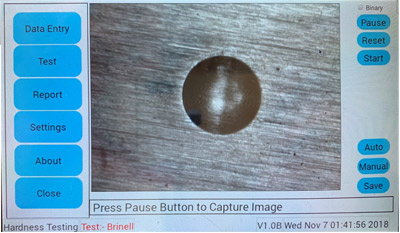
MCS Mechatronic manufactures computerized and fully automatic Brinell hardness testers in Kolhapur, India, and exports them to foundries, forging shops, steel plants and casting buyers in Nigeria. A CCD camera captures each indentation and the software measures its diameter, so the Brinell number is calculated without manual microscope readings.
Nigeria's steel rolling mills, construction boom and oil and gas sector have made material testing a growing priority. SON has stepped up checks on reinforcement bars and building materials, and universities, polytechnics and private labs across Lagos, Abuja and Port Harcourt are upgrading their testing equipment. Brinell testing is the standard hardness check for castings, forgings and coarse-grained metals, where a large indentation gives a representative result.
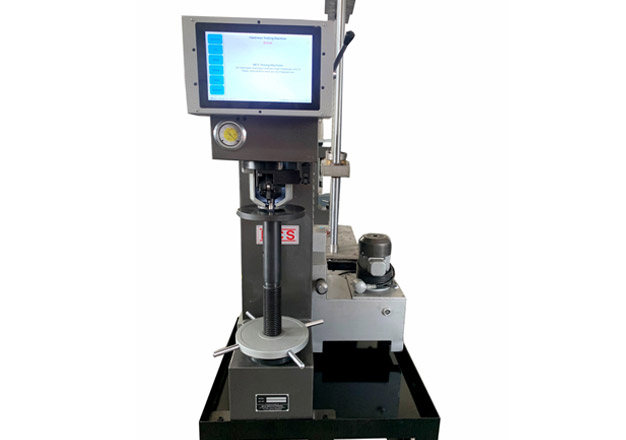
MCS Brinell Hardness Tester Range
Choose a fully automatic model for production lines or a manual / hydraulic model for lower volumes.
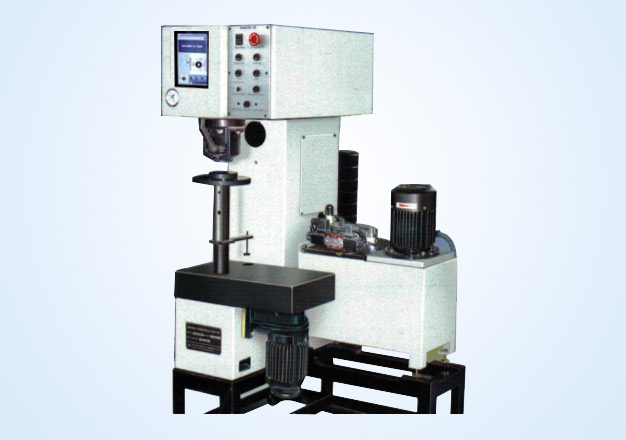
Computerized Fully Automatic Brinell Hardness Tester
B3000(0)-PC / TS / TSA
One-button auto cycle: the job is clamped, loaded, and the indentation is imaged and measured automatically on a PC or touch screen.
- Load range 250 to 3000 kgf in steps of 250 kgf
- CCD camera with image-processing measurement
- PC or touch screen versions
- High accuracy and repeatability at all loads
- Built for production testing
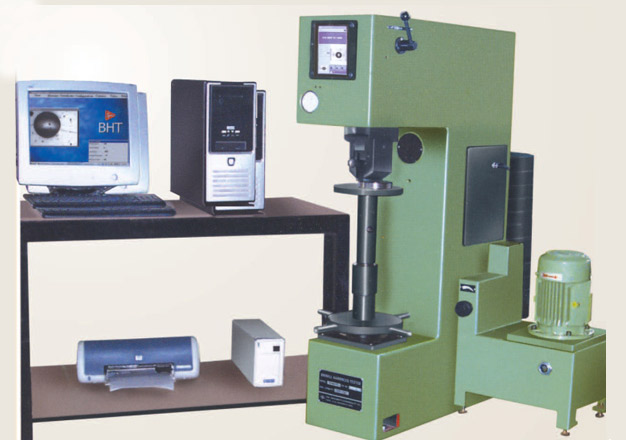
Manual / Hydraulic Brinell Hardness Tester
Analogue and hydraulic models
Robust hydraulic Brinell tester for workshops and foundries that test fewer parts per shift.
- Hydraulic loading system
- Suits castings and forgings
- Simple operation for shop-floor use
- Economical entry into Brinell testing
Automatic vs Manual Brinell Tester
| Feature | Fully Automatic | Manual / Hydraulic |
|---|---|---|
| Measurement | CCD camera, automatic diameter measurement | Manual indentation measurement |
| Cycle | Automatic clamp, load, dwell, measure | Operator controlled |
| Typical fit | Foundry and forging production lines | Workshops and lower volumes |
Brinell Hardness Tester Specifications
| Load range | 250 to 3000 kgf in steps of 250 kgf |
| Measurement | CCD camera with image-processing software on PC or touch screen |
| Operation | Fully automatic cycle with preset dwell timer (automatic models) |
| Standards | Conforms to IS:2281, BS EN 10003-2 and ASTM E10 |
Full model data is on the Brinell hardness tester page.
Brinell Hardness Tester Models
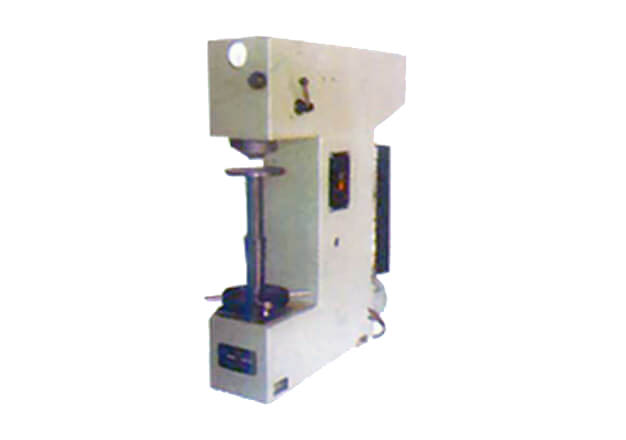
Brinell Tester Applications in Nigeria
Our machines are used by steel rolling mills, oil and gas service companies, construction and cement producers, building material labs, universities and polytechnics. Typical Nigerian applications include:
Foundries
Hardness of grey iron, SG iron and steel castings
Forging shops
Hardness of forged and heat-treated parts
Steel plants
Hardness of billets, bars and plates
Aluminium and non-ferrous
Brinell checks on extrusions and alloy castings
Automotive suppliers
Hardness of brake drums, hubs and housings
Inspection agencies
Third-party hardness verification for buyers
Testing Standards Supported
MCS Brinell hardness testers conform to IS:2281, BS EN 10003-2 and ASTM E10, the Brinell methods specified for most castings and forgings.
In Nigeria, product conformity is overseen by SON (Standards Organisation of Nigeria), and laboratories that issue accredited reports work under NiNAS (Nigeria National Accreditation Service). Measured results are stored by the software and can be printed or saved for your lab records and customer reports.
Cities We Serve in Nigeria
We supply brinell hardness testers to industrial cities and project sites across Nigeria, including:
Export, Shipping & Support for Nigeria
Export Packing & Shipping
Machines are packed in seaworthy export cases and shipped from India to Apapa Port, Lagos, Tin Can Island Port, Lagos and Onne Port, Rivers State.
Export Documents
Commercial invoice, packing list, certificate of origin and the machine's calibration certificate are supplied with every shipment.
Online Training & Support
Online operator training on the machine and its software, with remote technical support from our team in India.
Frequently Asked Questions
Do you export Brinell hardness testers to Nigeria?
Yes. MCS Mechatronic manufactures computerized and automatic Brinell hardness testers in Kolhapur, India, and exports them to Nigeria via ports such as Apapa Port, Lagos and Tin Can Island Port, Lagos.
How does the automatic Brinell tester measure the indentation?
After the preset dwell, a CCD camera fitted on the machine captures the indentation and the software measures its diameter and displays the Brinell hardness number on the PC or touch screen.
What load range is available?
The computerized models apply 250 to 3000 kgf in steps of 250 kgf, covering standard Brinell tests on steel, cast iron and non-ferrous metals.
Is the automatic model suitable for foundry production?
Yes. The operator places the job and presses Cycle Start; clamping, loading, measurement and lowering run automatically, which suits high-volume foundry and forging testing.
Do you provide documents for SONCAP clearance in Nigeria?
Imports into Nigeria go through the SONCAP conformity programme, which is handled by the importer. MCS Brinell testers conform to IS:2281, BS EN 10003-2 and ASTM E10, and the image-measured results can be saved for your SON or client records. We supply the technical datasheets and documents needed for the SONCAP process.
Can the machine run on the power supply used in Nigeria?
The supply voltage depends on the model. Nigeria's three-phase supply is 415 V at 50 Hz, so please mention your site voltage and frequency in your enquiry so we can confirm the right electrical configuration.
Get a Brinell Tester Quotation for Nigeria
Tell us the parts, sizes and daily test volume, and we will recommend the right Brinell model.
Send Enquiry WhatsApp